Ever wondered how complex software systems come to life? It all starts with a powerful framework known as the system development life cycle. This proven process guides teams from concept to deployment—and beyond.



What Is the System Development Life Cycle?

The system development life cycle (SDLC) is a structured methodology used to design, develop, test, and deploy information systems efficiently. It provides a clear roadmap for software projects, ensuring quality, predictability, and alignment with business goals. Originally developed in the 1960s for large-scale data processing systems, SDLC has evolved to support modern agile and DevOps practices.
Definition and Core Purpose
At its core, the system development life cycle is a step-by-step process that ensures software is built systematically. Its primary purpose is to produce high-quality systems that meet or exceed user expectations, are delivered on time, and stay within budget. By breaking down development into distinct phases, SDLC minimizes risks and enhances project control.
- Provides a framework for project planning and execution
- Ensures consistent quality across development stages
- Facilitates communication between stakeholders and developers
Historical Evolution of SDLC
The concept of SDLC emerged during the early days of computing when organizations needed a way to manage complex programming tasks. In the 1960s and 70s, waterfall models dominated, emphasizing linear progression. As technology advanced, so did the need for flexibility. The 1980s introduced iterative models, and by the 2000s, agile methodologies like Scrum and Kanban began reshaping how teams approached the system development life cycle.
“SDLC is not just a process—it’s a discipline that turns ideas into reliable, scalable software solutions.” — Software Engineering Institute, Carnegie Mellon University
The 7 Key Stages of the System Development Life Cycle
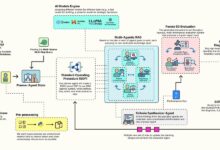
A successful system development life cycle consists of seven well-defined stages. Each phase builds upon the previous one, creating a seamless flow from initial concept to operational system. Understanding these stages is crucial for project managers, developers, and stakeholders alike.
1. Planning and Requirement Analysis
This is the foundation of the entire system development life cycle. During this phase, project goals are defined, feasibility studies are conducted, and requirements are gathered from stakeholders. The output is a comprehensive Software Requirements Specification (SRS) document.
- Identify user needs and business objectives
- Conduct cost-benefit analysis
- Determine technical and operational feasibility
According to the U.S. Government Accountability Office, poor requirement gathering is one of the top reasons for project failure. This highlights the critical importance of thorough planning in the system development life cycle.
2. System Design
Once requirements are clear, the next step is designing the system architecture. This phase translates user needs into technical specifications. Designers create models for data flow, system interfaces, and database structures.
- Develop high-level and low-level design documents
- Define system components and modules
- Select appropriate technologies and frameworks
A well-designed system ensures scalability, security, and maintainability—key factors in long-term success. Tools like UML (Unified Modeling Language) are often used to visualize system design.
3. Implementation (Coding)
This is where the actual development takes place. Developers write code based on the design specifications. The implementation phase is typically the longest and most resource-intensive part of the system development life cycle.
- Write clean, modular, and testable code
- Follow coding standards and best practices
- Integrate third-party libraries and APIs
Version control systems like Git are essential during this phase to manage code changes and collaboration. Platforms such as GitHub have become industry standards for code hosting and collaboration.
4. Testing
No system is ready for deployment without rigorous testing. This phase ensures that the software meets all specified requirements and is free of critical bugs. Testing can be manual or automated and includes various types such as unit, integration, system, and user acceptance testing (UAT).
- Execute test cases to validate functionality
- Identify and report defects
- Verify fixes and retest
Automated testing tools like Selenium and JUnit help streamline this process, reducing human error and increasing efficiency. A study by the National Institute of Standards and Technology (NIST) found that early detection of software defects can reduce repair costs by up to 90%.
5. Deployment
After successful testing, the system is deployed to the production environment. Deployment strategies vary—from big bang (full rollout) to phased or parallel deployment—depending on the system’s complexity and risk tolerance.
- Prepare the production environment
- Migrate data and configure settings
- Train end-users and support staff
Modern DevOps practices use continuous integration and continuous deployment (CI/CD) pipelines to automate this phase, enabling faster and more reliable releases.
6. Operation and Maintenance
Once live, the system enters the operation phase. This involves monitoring performance, managing user access, and ensuring system stability. Maintenance includes fixing bugs, applying patches, and making enhancements based on user feedback.
- Monitor system performance and uptime
- Apply security updates and patches
- Implement feature upgrades
This phase often lasts longer than all others combined. According to IBM, maintenance can consume up to 75% of a software system’s total lifecycle cost.
7. Evaluation and Feedback Loop
The final stage of the system development life cycle is often overlooked but is critical for continuous improvement. Stakeholders evaluate the system’s performance against initial objectives, and feedback is collected for future iterations.
- Conduct post-implementation reviews
- Gather user satisfaction data
- Identify areas for optimization
This feedback loop ensures that the system remains aligned with evolving business needs and technological advancements.
Popular SDLC Models and Methodologies
While the system development life cycle follows a general structure, different models offer unique approaches to managing the process. Choosing the right model depends on project scope, team size, and organizational culture.
Waterfall Model
The waterfall model is the oldest and most traditional approach to the system development life cycle. It follows a linear, sequential flow where each phase must be completed before the next begins.
- Simple and easy to understand
- Suitable for projects with well-defined requirements
- Poor flexibility for changes once the project is underway
Despite its rigidity, the waterfall model is still used in industries like aerospace and defense, where documentation and compliance are critical.
Agile Model
The Agile model revolutionized the system development life cycle by introducing iterative and incremental development. Instead of delivering the entire system at once, Agile delivers working software in small, frequent releases called sprints.
- Promotes collaboration between cross-functional teams
- Allows for rapid adaptation to changing requirements
- Enhances customer satisfaction through early and continuous delivery
Agile frameworks like Scrum and Extreme Programming (XP) emphasize flexibility, transparency, and responsiveness. According to the State of Agile Report, over 90% of organizations report improved project visibility and team productivity after adopting Agile.
Iterative and Incremental Model
This model combines elements of both waterfall and Agile. Development occurs in cycles (iterations), with each cycle producing a working version of the software. Each iteration includes planning, design, implementation, and testing.
- Reduces project risk by delivering early prototypes
- Allows for refinement based on user feedback
- Supports evolving requirements over time
It’s particularly effective for large projects where the full scope isn’t known upfront.
DevOps Integration
DevOps is not a standalone model but a cultural and technical extension of the system development life cycle. It bridges the gap between development and operations teams, enabling faster, more reliable software delivery.
- Emphasizes automation in testing, deployment, and monitoring
- Uses CI/CD pipelines for continuous delivery
- Improves collaboration and reduces time-to-market
Organizations like Amazon and Netflix use DevOps to deploy code thousands of times per day with minimal downtime.
Benefits of Following the System Development Life Cycle
Adopting a structured system development life cycle offers numerous advantages for organizations of all sizes. It transforms chaotic development efforts into disciplined, predictable processes.
Improved Project Management
SDLC provides a clear framework for tracking progress, allocating resources, and managing timelines. Project managers can set milestones, assign tasks, and monitor deliverables with greater accuracy.
- Enables better risk assessment and mitigation
- Facilitates stakeholder communication
- Supports budget forecasting and control
With defined phases and deliverables, teams can avoid scope creep and stay focused on project goals.
Higher Quality Software
By enforcing rigorous testing and review processes, SDLC ensures that software is robust, secure, and user-friendly. Each phase includes quality checkpoints that catch issues early.
- Reduces the number of post-deployment bugs
- Improves system reliability and performance
- Enhances user experience through structured feedback loops
High-quality software leads to greater user satisfaction and lower maintenance costs over time.
Cost and Time Efficiency
While SDLC requires upfront planning, it ultimately saves time and money by preventing costly rework. Early detection of flaws reduces the expense of fixing bugs in later stages.
- Minimizes redundant work through clear documentation
- Optimizes resource utilization
- Reduces project delays through structured timelines
A study by the Standish Group found that projects using formal SDLC methods are 2.5 times more likely to succeed than those without.
Common Challenges in the System Development Life Cycle
Despite its benefits, the system development life cycle is not without challenges. Teams often face obstacles that can derail timelines, inflate budgets, or compromise quality.
Changing Requirements
One of the biggest challenges is managing evolving user needs. In dynamic business environments, requirements can shift rapidly, making rigid models like Waterfall less effective.
- Leads to scope creep if not properly managed
- Requires flexible methodologies like Agile
- Necessitates strong change control processes
Effective communication and regular stakeholder reviews are essential to keep the project on track.
Communication Gaps
Poor communication between developers, testers, and business stakeholders can result in misunderstandings and misaligned expectations.
- Causes delays and rework
- Reduces team morale and collaboration
- Increases the risk of project failure
Using collaborative tools like Jira, Confluence, and Slack can help bridge these gaps and ensure everyone is on the same page.
Resource Constraints
Limited budget, time, or skilled personnel can hinder the successful execution of the system development life cycle.
- Forces trade-offs between scope, quality, and delivery time
- Increases pressure on development teams
- May lead to cutting corners in testing or documentation
Proper resource planning and realistic scheduling are critical to overcoming these constraints.
Best Practices for a Successful System Development Life Cycle
To maximize the effectiveness of the system development life cycle, organizations should adopt proven best practices that promote efficiency, quality, and collaboration.
Involve Stakeholders Early and Often
Engaging users, clients, and business leaders from the beginning ensures that the system meets real-world needs. Regular feedback sessions help validate assumptions and prevent costly changes later.
- Conduct workshops and interviews during the planning phase
- Use prototypes to gather early user input
- Schedule regular review meetings throughout the project
Stakeholder involvement fosters ownership and increases the likelihood of project success.
Adopt Agile and DevOps Principles
Even if not fully transitioning to Agile, incorporating its principles—such as iterative development, continuous feedback, and cross-functional teams—can greatly enhance the system development life cycle.
- Break projects into manageable sprints
- Automate testing and deployment where possible
- Promote a culture of collaboration and transparency
DevOps tools like Jenkins, Docker, and Kubernetes enable faster, more reliable software delivery.
Document Everything
Comprehensive documentation is a cornerstone of the system development life cycle. It includes requirements, design specs, test plans, user manuals, and maintenance logs.
- Ensures knowledge transfer across teams
- Supports compliance and auditing
- Facilitates future upgrades and troubleshooting
While Agile values working software over documentation, maintaining essential records is still crucial for long-term success.
Future Trends Shaping the System Development Life Cycle
The system development life cycle is not static. Emerging technologies and methodologies are transforming how software is built and delivered.
Artificial Intelligence and Automation
AI is increasingly being used to automate repetitive tasks in the system development life cycle, such as code generation, bug detection, and test case creation.
- Tools like GitHub Copilot assist developers with code suggestions
- AI-powered testing platforms can predict failure points
- Automated code reviews improve quality and consistency
As AI matures, it will play an even larger role in accelerating development and reducing human error.
Low-Code and No-Code Platforms
These platforms allow non-developers to build applications using visual interfaces and pre-built components, democratizing software development.
- Speed up prototyping and simple application development
- Reduce dependency on specialized developers
- Enable citizen developers to contribute to the system development life cycle
While not suitable for complex systems, they are ideal for internal tools and rapid experimentation.
Cloud-Native Development
Modern applications are increasingly built for the cloud from the ground up. Cloud-native development leverages microservices, containers, and serverless architectures to create scalable, resilient systems.
- Enables faster deployment and scaling
- Supports global availability and high availability
- Integrates seamlessly with DevOps and CI/CD pipelines
Platforms like AWS, Azure, and Google Cloud are central to this shift, offering tools that streamline the entire system development life cycle.
What is the main goal of the system development life cycle?
The main goal of the system development life cycle is to produce high-quality software that meets user requirements, is delivered on time and within budget, and is maintainable over its lifespan. It ensures a structured and disciplined approach to software development.
Which SDLC model is best for rapidly changing requirements?
The Agile model is best suited for projects with rapidly changing requirements. Its iterative nature allows teams to adapt quickly, incorporate feedback, and deliver functional software in short cycles.
How does DevOps enhance the system development life cycle?
DevOps enhances the system development life cycle by integrating development and operations teams, automating processes, and enabling continuous integration and continuous deployment (CI/CD). This results in faster delivery, improved reliability, and better collaboration.
Can the system development life cycle be used for small projects?
Yes, the system development life cycle can be scaled for small projects. While not all phases may be equally emphasized, the core principles of planning, design, testing, and maintenance still apply to ensure quality and success.
What role does testing play in the SDLC?
Testing is a critical phase in the system development life cycle that ensures the software functions as intended, is free of defects, and meets user requirements. It includes various types of testing such as unit, integration, system, and user acceptance testing.
Mastering the system development life cycle is essential for delivering successful software projects. From initial planning to ongoing maintenance, each stage plays a vital role in creating systems that are reliable, scalable, and aligned with business goals. By understanding the key stages, adopting best practices, and embracing modern methodologies like Agile and DevOps, organizations can navigate the complexities of software development with confidence. As technology continues to evolve, so too will the system development life cycle—adapting to new tools, trends, and user expectations.
Further Reading: