System development isn’t just about coding—it’s the backbone of modern innovation, driving everything from apps to enterprise solutions. In this deep dive, we’ll explore the essential strategies, methodologies, and real-world practices that make system development powerful, efficient, and future-ready.



Understanding System Development: The Core Concept

At its heart, system development refers to the process of creating, designing, deploying, and maintaining information systems that meet specific user or business needs. It’s a structured journey that transforms abstract ideas into functional, scalable, and secure software solutions.
What Is System Development?
System development encompasses the entire lifecycle of building a software system—from initial concept to final deployment and beyond. It involves analyzing requirements, designing architecture, coding, testing, and ongoing maintenance. This process ensures that systems are not only functional but also aligned with organizational goals.
- Involves both technical and managerial processes
- Applies to software, hardware, and integrated systems
- Used across industries like finance, healthcare, education, and logistics
The Evolution of System Development
Over the decades, system development has evolved from rigid, paper-based models to agile, cloud-native approaches. In the 1960s and 70s, structured programming and waterfall models dominated. By the 1990s, object-oriented design and CASE (Computer-Aided Software Engineering) tools emerged. Today, DevOps, AI integration, and low-code platforms are reshaping how systems are built.
“The best systems aren’t built overnight—they’re the result of iterative learning, user feedback, and continuous improvement.” — Dr. Margaret Burnett, Human-Centered Software Engineering Researcher
Key Phases in System Development Life Cycle (SDLC)
The System Development Life Cycle (SDLC) is a proven framework used to design, develop, and test high-quality software. It provides a structured flow, ensuring projects are delivered on time, within budget, and with minimal errors.
1. Planning and Requirement Analysis
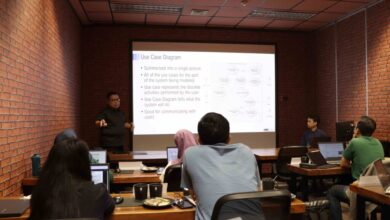
This is the foundation of any successful system development project. Stakeholders—including clients, end-users, and developers—collaborate to define the system’s purpose, scope, and functional requirements. Techniques like interviews, surveys, and use case modeling help gather detailed insights.
- Identify business objectives and constraints
- Conduct feasibility studies (technical, economic, operational)
- Document Software Requirements Specification (SRS)
A well-documented SRS reduces miscommunication and sets clear expectations. According to the Software Engineering Institute (SEI), up to 70% of project failures stem from poor requirement gathering.
2. System Design
Once requirements are clear, the next phase involves designing the system architecture. This includes both high-level (overall structure) and low-level (module-specific) designs. Designers decide on technology stacks, databases, APIs, and user interface layouts.
- Create data flow diagrams (DFDs) and entity-relationship models (ERDs)
- Define system interfaces and security protocols
- Select appropriate frameworks and programming languages
Tools like UML (Unified Modeling Language) and platforms such as Lucidchart or Draw.io help visualize system components. A solid design minimizes rework during development.
3. Implementation (Coding)
This is where the actual system development takes place. Developers write code based on the design specifications. The choice of programming language—be it Python, Java, JavaScript, or C#—depends on the system’s purpose and scalability needs.
- Follow coding standards and best practices
- Use version control systems like Git
- Integrate with CI/CD pipelines for automated builds
Modern system development often uses modular coding, where different teams work on separate components simultaneously. This parallel development speeds up delivery and improves collaboration.
4. Testing
No system is complete without rigorous testing. This phase ensures the software meets requirements, performs reliably, and is free of critical bugs. Testing types include unit testing, integration testing, system testing, and user acceptance testing (UAT).
- Automated testing with tools like Selenium, JUnit, or Jest
- Performance testing using LoadRunner or JMeter
- Security testing to detect vulnerabilities (e.g., OWASP ZAP)
According to a report by Gartner, organizations that implement continuous testing reduce defect leakage by up to 50%.
5. Deployment
After successful testing, the system is deployed to the production environment. Deployment strategies vary—from big-bang (full rollout) to phased or canary releases (gradual rollout to a subset of users).
- Use containerization (Docker) and orchestration (Kubernetes)
- Leverage cloud platforms like AWS, Azure, or Google Cloud
- Ensure rollback mechanisms are in place
DevOps practices have revolutionized deployment, enabling faster, more reliable releases. Continuous deployment allows new features to go live multiple times a day with minimal downtime.
6. Maintenance and Evolution
System development doesn’t end at deployment. Ongoing maintenance is crucial to fix bugs, apply security patches, and adapt to changing user needs. This phase often consumes 60-70% of the total system lifecycle cost.
- Corrective maintenance (bug fixes)
- Adaptive maintenance (updates for new OS or hardware)
- Perfective maintenance (performance improvements)
- Preventive maintenance (system optimization)
“Software is never finished. It evolves, just like the businesses it supports.” — Martin Fowler, Chief Scientist at ThoughtWorks
Popular System Development Methodologies
Different projects require different approaches. Choosing the right methodology can make or break a system development initiative. Let’s explore the most widely used models.
Waterfall Model
The Waterfall model is one of the oldest and most structured approaches to system development. It follows a linear sequence: requirements → design → implementation → testing → deployment → maintenance.
- Best for projects with clear, unchanging requirements
- Easy to manage due to rigid structure
- Poor flexibility; changes are costly once the project moves forward
Despite its limitations, Waterfall is still used in industries like aerospace and defense, where documentation and compliance are critical. Learn more about its application at ISO standards for software development.
Agile Methodology
Agile is a game-changer in system development. It emphasizes iterative development, customer collaboration, and responsiveness to change. Instead of delivering one big product at the end, Agile delivers working software in small, frequent increments called sprints.
- Encourages daily stand-ups and sprint reviews
- Uses frameworks like Scrum, Kanban, and Extreme Programming (XP)
- Prioritizes customer feedback and adaptability
According to the State of Agile Report, over 71% of organizations use Agile approaches, citing faster delivery and improved team productivity as key benefits.
DevOps Integration
DevOps is not a methodology per se, but a cultural and technical movement that bridges development (Dev) and operations (Ops). It enhances system development by automating processes, improving collaboration, and enabling continuous delivery.
- Uses CI/CD pipelines for automated testing and deployment
- Monitors system performance in real-time (e.g., using Prometheus or Grafana)
- Encourages infrastructure as code (IaC) with tools like Terraform
Companies like Netflix and Amazon rely on DevOps to deploy thousands of changes daily. This level of agility is impossible with traditional system development models.
Tools and Technologies in Modern System Development
The right tools can dramatically improve the efficiency and quality of system development. From integrated development environments (IDEs) to collaboration platforms, technology stacks shape how teams build software.
Integrated Development Environments (IDEs)
IDEs are software applications that provide comprehensive facilities for system development. They typically include a code editor, debugger, and build automation tools.
- Visual Studio Code – lightweight, extensible, supports multiple languages
- IntelliJ IDEA – popular for Java and Kotlin development
- Eclipse – open-source, widely used in enterprise environments
These tools increase developer productivity by offering syntax highlighting, code completion, and real-time error detection.
Version Control Systems
Version control is essential in system development, especially for team-based projects. It tracks changes to code, enables collaboration, and allows rollback to previous versions.
- Git is the most widely used system (hosted on GitHub, GitLab, or Bitbucket)
- Supports branching and merging for parallel development
- Facilitates code reviews and pull requests
According to GitHub’s 2023 Octoverse report, over 100 million developers use the platform, making it the largest host of open-source projects in the world.
Cloud Platforms and DevOps Tools
Cloud computing has transformed system development by offering scalable infrastructure, on-demand resources, and global accessibility.
- AWS (Amazon Web Services) – leader in cloud services with EC2, S3, and Lambda
- Microsoft Azure – integrates well with Windows environments and enterprise tools
- Google Cloud Platform (GCP) – strong in AI/ML and data analytics
DevOps tools like Jenkins, Docker, and Kubernetes streamline deployment and scaling. These technologies are now standard in modern system development workflows.
Challenges in System Development and How to Overcome Them
Despite advances in tools and methodologies, system development faces persistent challenges. Recognizing these issues early can prevent costly delays and failures.
Scope Creep
Scope creep occurs when project requirements expand beyond the original plan without proper approval or resource adjustment. It’s one of the top reasons for project overruns.
- Solution: Define clear project scope and change control processes
- Use Agile sprints to prioritize features and manage expectations
- Regularly review progress with stakeholders
Poor Communication
Miscommunication between developers, clients, and testers can lead to incorrect features, missed deadlines, and low user satisfaction.
- Solution: Use collaboration tools like Slack, Jira, or Trello
- Hold regular stand-up meetings and sprint reviews
- Document decisions and share them across teams
Security Vulnerabilities
With rising cyber threats, security must be embedded into every phase of system development. Many breaches occur due to unpatched software or poor coding practices.
- Solution: Adopt Secure Software Development Lifecycle (SSDLC)
- Conduct regular code reviews and penetration testing
- Follow OWASP Top 10 guidelines for web application security
The Open Web Application Security Project (OWASP) provides free resources to help developers build secure systems.
Best Practices for Successful System Development
Following industry best practices can significantly improve the outcome of any system development project. These principles apply across methodologies and team sizes.
Start with User-Centered Design
Great systems solve real user problems. Begin with user research, personas, and journey mapping to ensure the system meets actual needs.
- Conduct usability testing early and often
- Involve end-users in design reviews
- Use wireframing tools like Figma or Adobe XD
Adopt Continuous Integration and Delivery (CI/CD)
CI/CD automates the process of integrating code changes, running tests, and deploying to production. This reduces human error and accelerates delivery.
- Set up automated build pipelines using Jenkins or GitHub Actions
- Run automated tests on every code commit
- Deploy to staging environments before production
Document Everything
Comprehensive documentation is often overlooked but is critical for maintenance, onboarding, and compliance.
- Maintain up-to-date API documentation (e.g., using Swagger)
- Keep design decisions and architecture diagrams accessible
- Write clear user manuals and admin guides
“Code tells you how, comments tell you what, documentation tells you why.” — Jeff Atwood, Co-founder of Stack Overflow
Future Trends in System Development
The world of system development is evolving rapidly. Emerging technologies and shifting user expectations are shaping the next generation of software systems.
Artificial Intelligence and Machine Learning Integration
AI is no longer a futuristic concept—it’s embedded in system development. From automated code generation to intelligent debugging, AI tools are enhancing developer productivity.
- GitHub Copilot uses AI to suggest code in real-time
- ML models are used for predictive maintenance and anomaly detection
- Natural language processing (NLP) enables voice-based system interactions
As AI becomes more accessible, system development will become faster, smarter, and more adaptive.
Low-Code and No-Code Platforms
Platforms like OutSystems, Mendix, and Microsoft Power Apps allow non-developers to build functional applications using drag-and-drop interfaces. This democratizes system development and accelerates prototyping.
- Reduces dependency on IT departments
- Enables rapid MVP (Minimum Viable Product) development
- Best for internal tools, workflows, and simple customer apps
Gartner predicts that by 2025, 70% of new applications developed by enterprises will use low-code or no-code technologies.
Quantum Computing and Edge Computing
While still in early stages, quantum computing promises to solve complex problems beyond classical computers’ reach. Meanwhile, edge computing brings processing closer to data sources, reducing latency for IoT and real-time systems.
- Edge computing enhances system development for smart cities and autonomous vehicles
- Quantum algorithms could revolutionize cryptography and optimization
- Developers must start learning new paradigms and tools
What is system development?
System development is the process of creating, designing, testing, and maintaining software systems to meet specific user or business requirements. It involves multiple phases, including planning, design, coding, testing, deployment, and maintenance, often guided by frameworks like SDLC.
What are the main methodologies in system development?
The main methodologies include Waterfall (linear and sequential), Agile (iterative and flexible), and DevOps (focused on automation and collaboration). Each has its strengths depending on project size, complexity, and requirements stability.
Why is testing important in system development?
Testing ensures the system functions correctly, meets user requirements, and is free of critical bugs. It helps identify issues early, reduces maintenance costs, and improves overall software quality and security.
How does Agile improve system development?
Agile improves system development by promoting iterative delivery, continuous feedback, and adaptability. It allows teams to respond quickly to changes, deliver value faster, and maintain alignment with customer needs throughout the project.
What tools are essential for modern system development?
Essential tools include IDEs (like VS Code), version control systems (like Git), CI/CD platforms (like Jenkins), cloud services (like AWS), and collaboration tools (like Jira). These tools enhance productivity, collaboration, and deployment efficiency.
System development is a dynamic and essential discipline that powers the digital world. From defining requirements to maintaining live systems, every phase plays a crucial role in delivering value. By embracing proven methodologies like Agile and DevOps, leveraging powerful tools, and staying ahead of trends like AI and low-code, organizations can build systems that are not only functional but also resilient and future-ready. Success in system development isn’t just about technology—it’s about people, processes, and a relentless focus on solving real problems.
Further Reading: