In today’s hyper-connected digital world, system integration isn’t just a technical upgrade—it’s a strategic necessity. From streamlining operations to boosting data accuracy, effective system integration empowers organizations to operate smarter, faster, and more efficiently.



What Is System Integration and Why It Matters

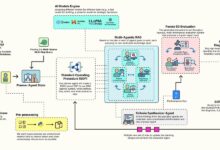
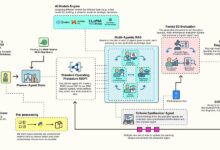
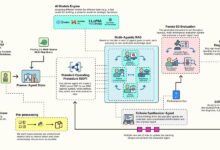
System integration refers to the process of connecting different IT systems, software applications, and technologies within an organization so they function as a unified whole. This enables seamless data flow, reduces redundancy, and enhances operational efficiency. In an era where data is king, the ability to share information across departments—like finance, HR, sales, and logistics—is critical for informed decision-making and competitive advantage.
Defining System Integration
At its core, system integration involves linking disparate systems so they can communicate and exchange data in real time. This could mean connecting a customer relationship management (CRM) platform with an enterprise resource planning (ERP) system or integrating cloud-based tools with on-premise legacy software. The goal is to eliminate data silos and create a cohesive digital ecosystem.
- It enables interoperability between software platforms.
- It supports automation of business processes.
- It improves data consistency and accuracy across departments.
“System integration is not about replacing systems—it’s about making them work together intelligently.” — Gartner Research
Types of System Integration
There are several approaches to system integration, each suited to different organizational needs and technical environments:
Point-to-Point Integration: Direct connections between two systems.While simple, this method becomes unmanageable as the number of systems grows.Vertical Integration (Silos): Systems are grouped by function (e.g., finance, HR), but these silos often lack cross-functional communication.Horizontal Integration (Enterprise Service Bus – ESB): Uses a central middleware platform to connect all systems, enabling scalable and flexible communication..
Star Integration: Each system connects to every other system, creating a web of connections that can be complex to maintain.Common Data Format Integration: All systems translate data into a standardized format, simplifying exchange.Choosing the right type depends on scalability needs, budget, and existing infrastructure.For most modern enterprises, horizontal integration using an ESB or API-led approach is preferred due to its flexibility and future-proofing..
Business Impact of System Integration
The benefits of system integration extend far beyond technical connectivity. Organizations that invest in robust integration strategies report:
- Up to 30% reduction in operational costs.
- Improved customer satisfaction through faster response times.
- Enhanced reporting capabilities with real-time dashboards.
- Greater agility in responding to market changes.
For example, a retail company integrating its inventory management system with its e-commerce platform can automatically update stock levels, prevent overselling, and streamline order fulfillment—directly improving customer experience and reducing losses.
Key Benefits of Effective System Integration
When executed properly, system integration delivers transformative results across the enterprise. It’s not merely a back-end technical task; it’s a strategic enabler of digital transformation.
Improved Operational Efficiency
One of the most immediate benefits of system integration is the automation of manual workflows. Tasks that once required human intervention—like transferring data from a sales platform to an accounting system—can now happen automatically.
- Reduces human error in data entry.
- Speeds up internal processes like invoicing, payroll, and order processing.
- Enables employees to focus on higher-value tasks rather than repetitive data handling.
According to a McKinsey report, companies that automate core processes through integration see a 20–30% increase in productivity.
Enhanced Data Accuracy and Consistency
Data silos lead to conflicting information, outdated records, and poor decision-making. System integration ensures that all departments access the same real-time data from a single source of truth.
- Eliminates duplicate entries across platforms.
- Ensures compliance with data governance standards.
- Supports accurate forecasting and analytics.
For instance, when marketing and sales teams use integrated CRM and analytics tools, they can track customer behavior across touchpoints, leading to more personalized campaigns and higher conversion rates.
Scalability and Future-Proofing
As businesses grow, their technology stack must evolve. A well-integrated system architecture allows organizations to add new applications without disrupting existing workflows.
- Facilitates easy onboarding of new software (e.g., HR tools, AI chatbots).
- Supports cloud migration and hybrid environments.
- Enables rapid response to regulatory or market changes.
Organizations using modular, API-based integration frameworks can deploy new features up to 50% faster than those relying on legacy point-to-point connections.
Common Challenges in System Integration
Despite its benefits, system integration is not without hurdles. Many organizations face technical, cultural, and strategic obstacles that can delay or derail integration projects.
Legacy System Compatibility
One of the biggest challenges is integrating modern cloud applications with outdated legacy systems that were not designed for interoperability.
- Older systems may lack APIs or use proprietary data formats.
- Upgrading or replacing them can be costly and risky.
- Requires middleware or custom connectors to bridge the gap.
Solutions include using integration platforms like MuleSoft or Dell Boomi, which act as translators between old and new systems. These tools provide pre-built connectors and transformation engines to simplify compatibility.
Data Security and Compliance Risks
Connecting systems increases the attack surface for cyber threats. Sensitive data moving between platforms must be encrypted and access-controlled.
- Risk of data breaches during transmission.
- Need to comply with regulations like GDPR, HIPAA, or CCPA.
- Requires robust identity and access management (IAM) policies.
Best practices include implementing end-to-end encryption, regular security audits, and role-based access controls. According to the ISACA Journal, 68% of data breaches in integrated environments occur due to misconfigured access permissions.
Organizational Resistance to Change
Even the best technical solution can fail if employees resist adopting new workflows.
- Lack of training or understanding of new systems.
- Fear of job displacement due to automation.
- Departmental silos that resist sharing data or processes.
Overcoming this requires strong change management: clear communication, stakeholder involvement, and phased rollouts. Leadership buy-in is crucial to drive cultural alignment and ensure long-term success.
System Integration Approaches and Architectures
Choosing the right integration architecture is critical to achieving scalability, reliability, and maintainability. Different models suit different business sizes, industries, and technological maturity levels.
Point-to-Point Integration
Also known as spaghetti integration, this approach involves direct connections between individual systems.
- Simple to implement for small-scale needs.
- Becomes unmanageable as the number of systems increases.
- High maintenance cost due to numerous custom scripts.
For example, if Company A has five systems, point-to-point integration would require 10 separate connections (n(n-1)/2 formula). This complexity grows exponentially, making it unsustainable for large enterprises.
Enterprise Service Bus (ESB)
An ESB acts as a central communication backbone that routes messages between systems using standardized protocols.
- Provides a single point of control for monitoring and managing integrations.
- Supports message transformation, routing, and queuing.
- Ideal for large organizations with complex, heterogeneous environments.
Popular ESB solutions include IBM Integration Bus, Apache ServiceMix, and WSO2. While powerful, ESBs can be expensive and require specialized expertise to configure and maintain.
API-Led Connectivity
This modern approach uses Application Programming Interfaces (APIs) to create reusable, modular integration layers.
- Experience Layer: APIs tailored for specific user interfaces (e.g., mobile apps, web portals).
- Process Layer: APIs that orchestrate business logic across systems.
- System Layer: APIs that connect directly to backend systems (e.g., databases, ERPs).
Championed by MuleSoft, API-led connectivity promotes reusability and agility. A MuleSoft case study showed that organizations using API-led integration reduced development time by 60% and increased reuse of integration assets by 80%.
System Integration in Cloud and Hybrid Environments
With the rise of cloud computing, system integration has evolved to support multi-cloud, hybrid, and distributed architectures.
Cloud-to-Cloud Integration
As more businesses adopt SaaS applications (e.g., Salesforce, Workday, Google Workspace), integrating these cloud services becomes essential.
- Enables seamless data sync between CRM, HRIS, and finance platforms.
- Often uses iPaaS (Integration Platform as a Service) solutions like Zapier, Boomi, or Microsoft Power Automate.
- Offers low-code/no-code options for non-technical users.
iPaaS platforms provide drag-and-drop interfaces, pre-built connectors, and automated workflows, making integration accessible even to small businesses.
On-Premise to Cloud Integration
Many organizations operate in hybrid environments, where legacy on-premise systems must communicate with cloud applications.
- Requires secure data transfer across networks.
- Often uses hybrid integration platforms (HIP) that support both cloud and local deployments.
- Must address latency, bandwidth, and firewall issues.
Tools like AWS AppSync, Azure Logic Apps, and Oracle Integration Cloud offer hybrid capabilities, allowing businesses to gradually migrate while maintaining connectivity.
Multi-Cloud Integration Challenges
Enterprises increasingly use multiple cloud providers (e.g., AWS, Azure, GCP), creating complexity in data management and governance.
- Ensuring consistent performance across clouds.
- Managing identity and access across platforms.
- Avoiding vendor lock-in through standardized APIs.
Effective multi-cloud integration requires a unified strategy, centralized monitoring, and cross-cloud orchestration tools like Kubernetes and Terraform.
Best Practices for Successful System Integration
To maximize ROI and minimize risks, organizations should follow proven best practices when planning and executing system integration projects.
Start with a Clear Strategy and Roadmap
Integration should align with broader business goals, not just technical needs.
- Define objectives: What problems are you solving?
- Identify key stakeholders and systems involved.
- Create a phased implementation plan with measurable milestones.
A strategic roadmap prevents scope creep and ensures alignment across departments.
Prioritize Data Governance and Quality
Poor data quality undermines integration efforts. Before connecting systems, clean and standardize your data.
- Establish data ownership and stewardship roles.
- Implement data validation rules and cleansing processes.
- Use master data management (MDM) to maintain a single version of truth.
According to Gartner, organizations with strong MDM practices achieve 25% higher data accuracy post-integration.
Choose the Right Integration Tools and Partners
Selecting the appropriate technology and vendor is crucial for long-term success.
- Evaluate tools based on scalability, security, and support.
- Consider low-code platforms for faster deployment.
- Partner with experienced integration consultants if internal expertise is limited.
Popular integration platforms include MuleSoft, Dell Boomi, Informatica, and Microsoft Azure Integration Services. Each offers unique strengths depending on your industry and complexity level.
Future Trends in System Integration
The landscape of system integration is rapidly evolving, driven by advancements in AI, automation, and edge computing.
AI-Powered Integration
Artificial intelligence is transforming how systems connect and adapt.
- AI can automatically detect data patterns and suggest integration rules.
- Machine learning models predict integration failures before they occur.
- Natural language processing (NLP) enables non-technical users to configure integrations via voice or text commands.
For example, Google’s Apigee uses AI to optimize API performance and detect anomalies in real time.
Event-Driven Architecture (EDA)
Instead of polling systems for updates, EDA triggers actions based on real-time events (e.g., a new order placed, a payment received).
- Enables instant responses to business events.
- Improves scalability and responsiveness.
- Used in IoT, real-time analytics, and microservices environments.
Platforms like Apache Kafka and AWS EventBridge are leading the shift toward event-driven integration.
Integration at the Edge
As IoT devices proliferate, integration is moving closer to the data source—literally to the “edge” of the network.
- Reduces latency by processing data locally before sending it to central systems.
- Supports real-time decision-making in manufacturing, healthcare, and logistics.
- Requires lightweight integration agents and secure communication protocols.
Edge integration is critical for applications like autonomous vehicles and smart factories, where milliseconds matter.
What is system integration?
System integration is the process of connecting different IT systems, software, and applications so they can work together seamlessly, share data, and function as a unified ecosystem. It eliminates data silos and improves operational efficiency.
Why is system integration important for businesses?
It enables real-time data sharing, automates workflows, reduces errors, improves decision-making, and supports scalability. Integrated systems help organizations respond faster to market changes and deliver better customer experiences.
What are the main types of system integration?
The main types include point-to-point, vertical, horizontal (ESB), star, and common data format integration. Modern approaches often use API-led connectivity and cloud-based iPaaS platforms for greater flexibility.
What are common challenges in system integration?
Key challenges include legacy system compatibility, data security risks, organizational resistance to change, and managing complexity in multi-cloud environments. These can be mitigated with proper planning, governance, and the right tools.
How do I choose the right integration platform?
Consider factors like scalability, security, ease of use, supported connectors, and cost. Evaluate whether you need on-premise, cloud, or hybrid capabilities. Popular platforms include MuleSoft, Dell Boomi, and Microsoft Power Automate.
System integration is no longer optional—it’s a cornerstone of digital transformation. From eliminating data silos to enabling real-time decision-making, the right integration strategy can revolutionize how an organization operates. By understanding the types, benefits, challenges, and best practices of system integration, businesses can build agile, scalable, and future-ready technology ecosystems. As AI, event-driven architectures, and edge computing reshape the landscape, staying ahead requires not just connecting systems, but connecting them intelligently.
Further Reading: