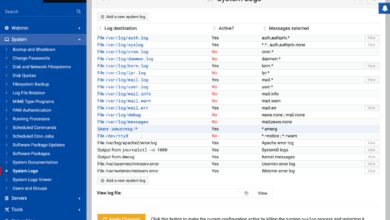
Ever wondered why your server crashes or your app slows down? A solid system monitor could be the hero you didn’t know you needed. It’s not just about tracking CPU usage—it’s about staying ahead of disasters.


What Is a System Monitor and Why It Matters

A system monitor is a software tool or hardware device designed to continuously observe and analyze the performance, health, and availability of computer systems, networks, and applications. In today’s digital-first world, where downtime can cost thousands per minute, having a reliable system monitor isn’t optional—it’s essential.
Core Functions of a System Monitor
At its heart, a system monitor performs several critical functions that keep IT environments running smoothly. These include real-time tracking of system resources, alerting administrators to anomalies, and generating reports for performance analysis.
- Real-time CPU, memory, and disk usage monitoring
- Network traffic and bandwidth consumption analysis
- Process and service status tracking
These functions allow IT teams to detect bottlenecks before they escalate into full-blown outages. For example, a sudden spike in memory usage might indicate a memory leak in an application, which a system monitor can flag immediately.
Types of System Monitoring
System monitoring isn’t a one-size-fits-all solution. Different environments require different monitoring approaches. The main types include:
- Hardware Monitoring: Tracks physical components like servers, storage devices, and network equipment.
- Software Monitoring: Focuses on applications, databases, and operating systems.
- Network Monitoring: Observes data flow, latency, and packet loss across network infrastructure.
Each type plays a role in ensuring comprehensive visibility. According to Red Hat, effective system monitoring integrates all three to provide a holistic view of IT operations.
“Monitoring is not about collecting data—it’s about making data actionable.” — DevOps Engineer, Google Cloud
Key Features of an Effective System Monitor
Not all system monitors are created equal. The best ones share a set of powerful features that go beyond basic metrics collection. These features ensure that your monitoring solution is not just reactive but proactive.
Real-Time Data Collection and Alerts
One of the most critical features of any system monitor is its ability to collect data in real time and send instant alerts when thresholds are breached. This means if your server’s CPU usage hits 90%, you’ll get a notification—via email, SMS, or dashboard—before performance degrades.
Modern tools like Nagios and Zabbix offer customizable alerting systems that support escalation policies, ensuring the right person gets notified at the right time.
Customizable Dashboards and Reporting
A great system monitor doesn’t just collect data—it presents it in a way that’s easy to understand. Custom dashboards allow teams to visualize key performance indicators (KPIs) like uptime, response time, and error rates.
For instance, Grafana, often used in conjunction with Prometheus, enables users to build interactive dashboards with real-time graphs and heatmaps. These visualizations help identify trends over time, such as seasonal traffic spikes or gradual resource degradation.
Automated Remediation and Integration
Advanced system monitors go beyond detection—they can trigger automated responses. For example, if a web server becomes unresponsive, the system monitor can automatically restart the service or spin up a new instance in the cloud.
Integration with DevOps tools like Ansible, Jenkins, and Kubernetes allows for seamless automation. This capability reduces mean time to recovery (MTTR) and minimizes human intervention.
Top 7 System Monitor Tools in 2024
Choosing the right system monitor can make or break your IT operations. Here’s a breakdown of seven of the most powerful and widely used tools available today.
1. Nagios XI
Nagios XI is one of the most established names in system monitoring. Known for its robustness and flexibility, it supports monitoring of servers, applications, services, and network protocols.
- Supports thousands of plugins for extended functionality
- Offers both on-premise and cloud deployment
- Provides detailed SLA reporting and trend analysis
Nagios is ideal for enterprises that need deep customization and control over their monitoring environment. Learn more at nagios.com.
2. Zabbix
Zabbix is an open-source system monitor that’s gained massive popularity due to its scalability and real-time monitoring capabilities. It can handle everything from small networks to large enterprise infrastructures.
- Auto-discovery of network devices and services
- Built-in visualization tools and map creation
- Supports distributed monitoring across multiple locations
Zabbix is particularly strong in environments where cost-efficiency and scalability are key. Its active community and extensive documentation make it a favorite among sysadmins.
3. Datadog
Datadog is a cloud-based system monitor designed for modern, dynamic environments. It excels in monitoring hybrid and multi-cloud infrastructures, making it perfect for DevOps teams.
- Real-time APM (Application Performance Monitoring)
- Log management and security monitoring
- AI-powered anomaly detection
Datadog integrates seamlessly with AWS, Azure, Google Cloud, and Kubernetes. Its intuitive interface and powerful analytics make it a top choice for fast-moving tech companies. Visit datadoghq.com for more.
How to Choose the Right System Monitor for Your Needs
With so many options available, selecting the right system monitor can feel overwhelming. The key is to align the tool’s capabilities with your organization’s size, infrastructure, and goals.
Assess Your Infrastructure Complexity
The complexity of your IT environment should guide your choice. A small business with a few servers might thrive with a lightweight tool like Cacti or Monit. In contrast, a global enterprise with microservices, containers, and hybrid cloud setups will need something more robust like Datadog or Splunk.
Ask yourself: Are you running on-premise, in the cloud, or both? Do you use containers or serverless architectures? These factors determine whether you need a system monitor with deep cloud integration or one focused on physical hardware.
Consider Scalability and Future Growth
A system monitor that works today might not scale with your business tomorrow. Look for solutions that can grow with you—both in terms of monitored nodes and feature set.
For example, Zabbix can scale from monitoring 10 devices to over 10,000 with proper tuning. Similarly, Datadog offers flexible pricing tiers based on host count and features used, making it easier to start small and expand.
Evaluate Ease of Use and Learning Curve
No matter how powerful a tool is, it’s useless if your team can’t use it effectively. Some system monitors, like Nagios, require significant technical expertise to configure and maintain. Others, like UptimeRobot, are designed for simplicity and ease of use.
Consider conducting a pilot test with a shortlist of tools. Measure setup time, configuration complexity, and how quickly your team can generate useful reports.
Best Practices for Implementing a System Monitor
Deploying a system monitor isn’t just about installing software—it’s about building a monitoring strategy. Follow these best practices to ensure maximum effectiveness.
Define Clear Monitoring Objectives
Before installing any tool, define what you want to achieve. Are you focused on preventing downtime? Improving application performance? Meeting compliance requirements?
Clear objectives help you choose the right metrics to monitor. For example, if uptime is critical, focus on service availability and failure rates. If performance is key, track response times and resource utilization.
Set Realistic Thresholds and Alerting Rules
One of the biggest pitfalls in system monitoring is alert fatigue—receiving too many false or low-priority alerts. To avoid this, set realistic thresholds based on historical data and business needs.
For instance, instead of alerting on every 5% CPU spike, set thresholds that reflect actual performance degradation. Use dynamic baselining (available in tools like Datadog) to adjust thresholds automatically based on normal usage patterns.
Integrate with Incident Management Systems
A system monitor should not operate in isolation. Integrate it with incident management platforms like PagerDuty, Opsgenie, or ServiceNow to streamline response workflows.
When an alert is triggered, it should automatically create a ticket, notify the on-call engineer, and log the event for audit purposes. This integration reduces response time and ensures accountability.
Common Challenges in System Monitoring and How to Overcome Them
Even with the best tools, system monitoring comes with its share of challenges. Recognizing these early can save you time, money, and stress.
Data Overload and Noise
Modern systems generate massive amounts of data. Without proper filtering, this data becomes noise, making it hard to spot real issues.
Solution: Use data aggregation, filtering, and AI-driven anomaly detection. Tools like Splunk and Elastic Stack (ELK) excel at parsing large datasets and identifying meaningful patterns.
Monitoring Distributed and Cloud-Native Systems
With microservices, containers, and serverless functions, traditional monitoring approaches fall short. Systems are ephemeral, dynamic, and distributed.
Solution: Adopt distributed tracing and service mesh monitoring. Tools like Jaeger, Istio, and OpenTelemetry provide visibility into complex, interconnected services.
Lack of Skilled Personnel
Many organizations struggle to find or train staff who can effectively manage and interpret monitoring data.
Solution: Invest in training and documentation. Use tools with intuitive interfaces and strong community support. Consider managed monitoring services if in-house expertise is limited.
The Future of System Monitoring: AI, Automation, and Predictive Analytics
The next generation of system monitoring is smarter, faster, and more proactive. Emerging technologies are transforming how we detect, diagnose, and resolve issues.
AI-Powered Anomaly Detection
Traditional threshold-based alerts are being replaced by AI-driven anomaly detection. These systems learn normal behavior over time and flag deviations—without requiring manual threshold setting.
For example, Google’s SRE (Site Reliability Engineering) team uses machine learning models to predict outages before they happen. This shift from reactive to predictive monitoring is a game-changer.
Automated Root Cause Analysis
When an incident occurs, time is critical. AI-powered tools can now analyze logs, metrics, and traces to pinpoint the root cause in seconds.
Platforms like Dynatrace and New Relic use AI engines (e.g., Davis by Dynatrace) to automatically correlate events and suggest remediation steps, drastically reducing MTTR.
Self-Healing Systems
The ultimate goal of system monitoring is not just to detect problems but to fix them. Self-healing systems use monitoring data to trigger automated recovery actions.
For instance, if a database connection pool is exhausted, the system monitor can automatically restart the service or scale up the database cluster. This level of automation is already being used in cloud-native environments powered by Kubernetes and AWS Auto Scaling.
What is a system monitor used for?
A system monitor is used to track the performance, availability, and health of IT systems. It helps detect issues like high CPU usage, memory leaks, network latency, and service outages, enabling proactive maintenance and minimizing downtime.
Is there a free system monitor tool available?
Yes, several free and open-source system monitor tools are available, including Zabbix, Nagios Core, Cacti, and Monit. These tools offer robust monitoring capabilities and are widely used in both small and large environments.
Can a system monitor prevent server crashes?
While a system monitor cannot directly prevent crashes, it can detect early warning signs—such as high resource usage or failing services—and trigger alerts or automated responses that help prevent failures before they occur.
How does a system monitor integrate with cloud platforms?
Modern system monitors integrate with cloud platforms via APIs, agents, or plugins. For example, Datadog and New Relic offer native integrations with AWS, Azure, and Google Cloud, allowing real-time monitoring of virtual machines, containers, and serverless functions.
What’s the difference between system monitoring and application monitoring?
System monitoring focuses on infrastructure-level metrics like CPU, memory, and disk usage, while application monitoring (APM) tracks the performance and behavior of software applications, including response times, error rates, and transaction traces.
Choosing the right system monitor is a strategic decision that impacts reliability, performance, and user satisfaction. From open-source powerhouses like Zabbix to AI-driven platforms like Datadog, the tools available today offer unprecedented visibility and control. By understanding your needs, following best practices, and embracing emerging technologies, you can build a monitoring strategy that not only reacts to problems but anticipates them. In the world of IT, that’s not just powerful—it’s essential.
Recommended for you 👇
Further Reading: